It was spring of 2012, but the air buzzed with midsummer urgency as a group of crop insurance adjusters gathered for a regional meeting. One of the things on the agenda was new technology that could speed up the claim process for farmers across the U.S.
During a break, one adjuster pulled me aside. He had served in Afghanistan and recognized something familiar in the discussion.
“You know,” he said. “We used UAVs to find the bad guys. We’d send them a valley over to confirm the target before moving in. Same principle here. If we put drones over a field, we can see hail or wind damage in the interior that’s impossible to assess from the edge.”
Another adjuster chimed in. Facial-recognition software, he explained, helped confirm identities in combat zones. Could something similar—pattern recognition for crop damage—be developed for farming?
This wasn’t idle brainstorming. These were combat veterans with boots-on-the-ground experience, now adjusting insurance claims in fields of 8-foot corn. They weren’t dreaming—they were connecting dots.
At the time, our drone initiative at ADM’s Crop Risk Services was just getting off the ground. A few months earlier, we’d launched a series of brainstorming sessions for our in-house tech team. Out of those came a surprising pitch from our VP of technology: drones for claim adjusting.
I did what many leaders do when faced with the unfamiliar: I laughed.
“Drones? That’s crazy,” I said. “You’re kidding, right?”
But I wasn’t laughing long. As they laid out the concept—faster, more accurate assessments, geotagged photos, the ability to reach areas human adjusters couldn’t—I quickly changed course. That same day, we greenlit a pilot project.
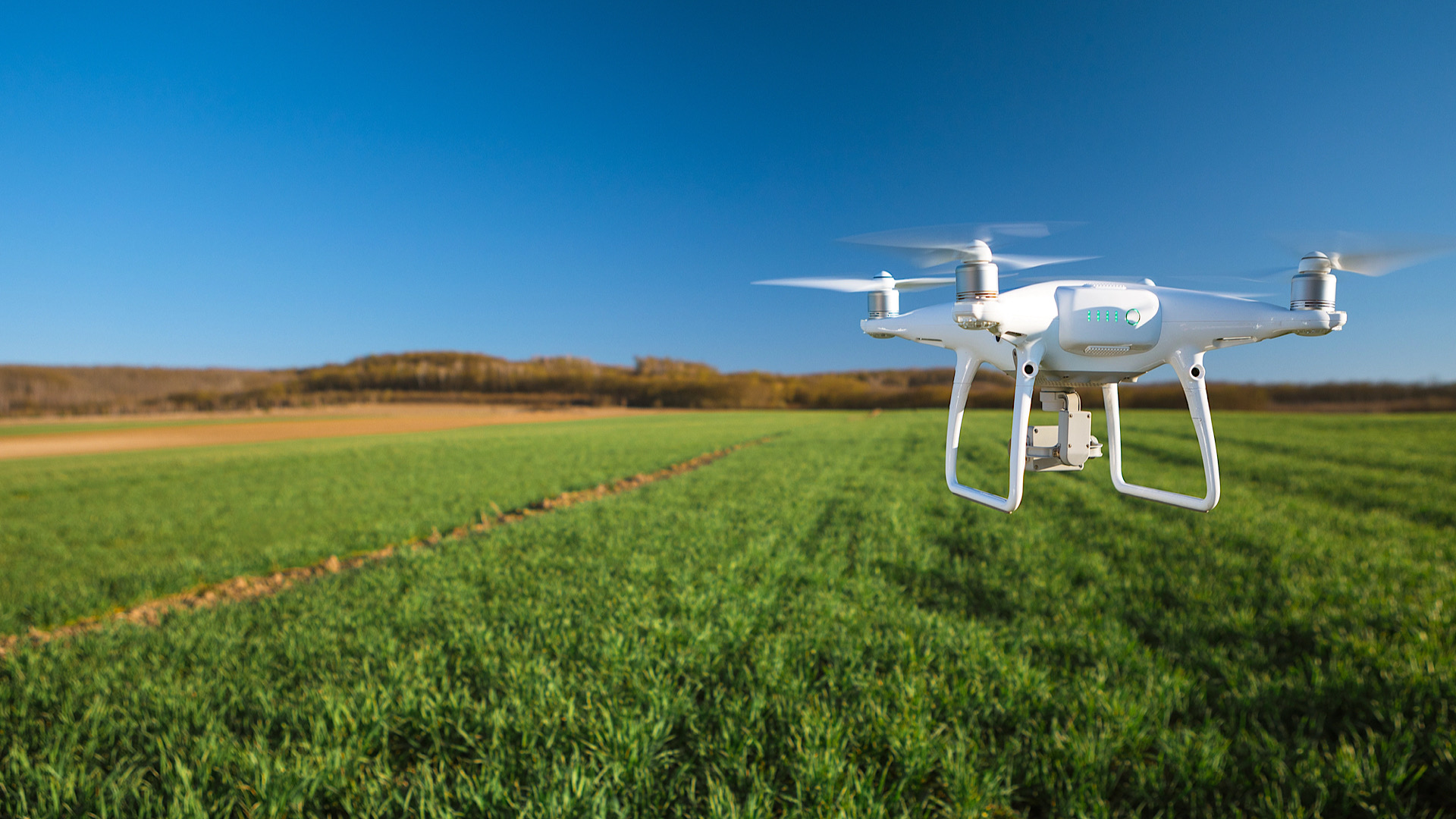
Our first drone was an Italian-made, graphite-skinned model that cost $15,000. It sat in customs for weeks, flagged as a suspicious import for an insurance company. When we finally got it in the air, we crashed it. Replacement parts took another month to arrive—also flagged as “drone parts.”
Eventually, we abandoned high-end models for cheaper Chinese quadcopters, which proved far more practical. At a few hundred dollars each, they were inexpensive enough to be considered disposable—and a single accurate hail claim could save ten times that amount.
Not everyone was convinced. Word of our experiment rippled through the company, drawing a mix of curiosity, skepticism, and mild ridicule. My boss called me directly.
“Don’t buy anything until I give final approval,” he warned.
I nodded politely, knowing the drone was already sitting on my office desk. We crashed it later that week.
That wasn’t our last mistake. But the lessons kept piling up.
In 2014, we traveled to rural China to see how an agricultural insurance company there used large, long distance, fixed-wing drones to monitor forests, wildfires, and even yak herds. Inside a control room that felt more NASA than agri-business, we watched as dozens of flights were tracked simultaneously on giant screens.
The project eventually earned CRS the Chairman’s Innovation Award. More importantly, it earned legitimacy. We were invited to work directly with the FAA to help shape the first drone-use regulations for rural flight.
What We Learned
- Trust your people—especially those with lived experience. Our veterans saw potential before the rest of us did.
- Don’t dismiss wild ideas. Even if they sound crazy.
- War has always been a crucible for innovation. We’re seeing it again today in Ukraine and most recently in the Middle-East. Industry won’t be far behind.
- Take calculated risks. I never told my boss the drone had already been purchased.
- Seek validation from others—whether it’s in the field or across the globe.
- And finally: if you stick with it, what starts as a long shot might just win you an award.
At GLM & Associates, we help companies identify step-change innovation—creating real growth opportunities.