It was a routine task: scheduling a service appointment before a summer road trip. I called the local Toyota dealership and, after pressing the requisite button for customer service, was greeted not by a human, but by a velvety, inflection-perfect voice.
“Welcome to the Toyota service department. I am your AI customer service representative,” she said, with the calm assurance of someone who never needs a lunch break.
As I scheduled my appointment—with no human intervention—I couldn’t help but reflect on the quiet revolution this moment represented. A revolution unfolding in the digital world, but one that seems to be bypassing one of America’s oldest and most foundational industries: agriculture.
Earlier that day, I had read a piece by Ray Fernandez describing the rise of artificial intelligence across sectors. The shift is seismic: Google searches are down 10% year-over-year for the first time in over two decades. Users are skipping traditional web search entirely, opting instead for AI platforms that deliver synthesized answers instantly. Websites report 5–10% drops in organic traffic. The content economy is morphing—fast.
In this AI-first landscape, businesses are racing to adapt. SEO is losing relevance. In its place: GEO—Generative Engine Optimization—an emerging strategy to ensure that AI platforms cite your data as trusted, canonical sources. Even digital ads are evolving, migrating from banner placements to AI-native formats embedded in responses. The rules of engagement are being rewritten.
But then, there’s agriculture.
A 2024 McKinsey Global Farmer Insights report found that, despite industry enthusiasm, technology adoption on U.S. farms has grown by only 3% since 2022. The gap between what’s possible and what’s practiced is growing.
Why?
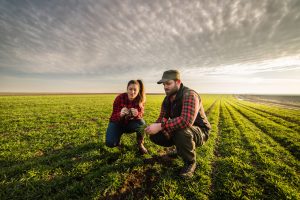
The first barrier is demographic. The average U.S. farmer is 58 years old. Among the most productive cohort—the top 10% of farmers who account for 75% of agricultural output—the average age skews even higher. These seasoned professionals tend to favor experience over experimentation, and many harbor deep skepticism toward digital tools, especially those that require data-sharing.
The second hurdle is infrastructure. While 85% of U.S. farms report having internet access, only about half have access to broadband speeds capable of supporting high-powered tech solutions, including AI.
Third, prior disappointments cast a long shadow. Early ag tech tools were often clunky, incompatible, and delivered lackluster results. That history lingers, making many farmers reluctant to reinvest.
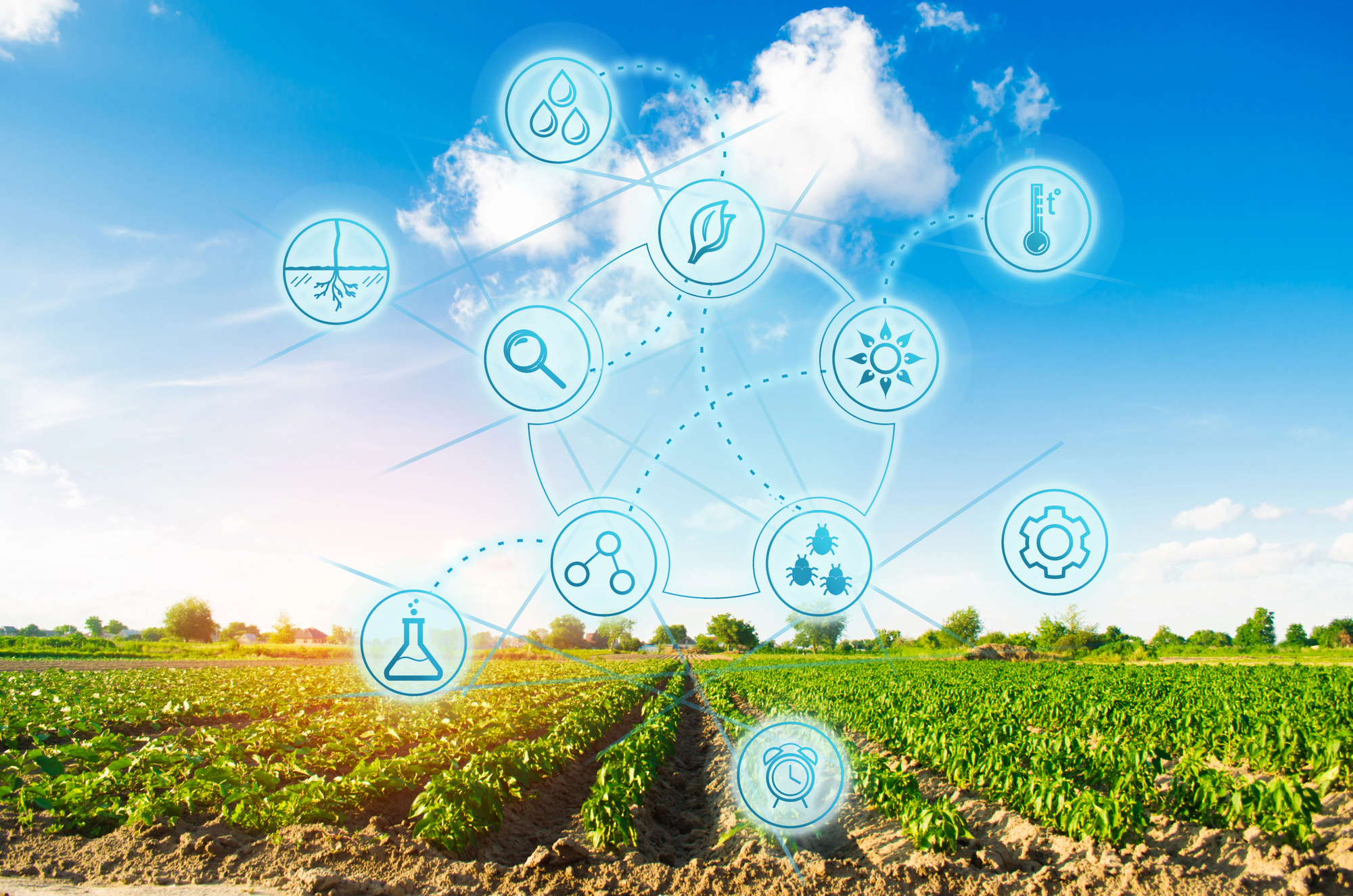
And fourth, the cost-benefit equation remains murky. A significant portion of North American farmers cite high costs and unclear ROI as reasons to delay adoption. Precision agriculture, the most visible frontier of innovation—combining sensors, software, and automation to tailor care to individual crops or animals—remains unevenly implemented, according to a 2025 USDA study.
Even major players in ag tech feel the drag. Without urgent demand from their core customer base, many companies struggle to justify investing in transformative solutions.
Back in my car, my phone pinged. The AI service rep had followed up, just as promised: “Thank you. We’ll see you Thursday at 7 a.m.”
It was seamless. Efficient. Almost invisible.
And it made me wonder: if AI can quietly revolutionize how we schedule a tire rotation, why does bringing similar efficiency to our food system remain so hard?
The answer may lie not in the technology itself—but in the people, the trust, and the terrain it needs to grow roots in.
For agriculture, the real transformation won’t come from a voice on the phone. It will come when farmers believe that change, and the tools that deliver it, are worth betting the farm on.