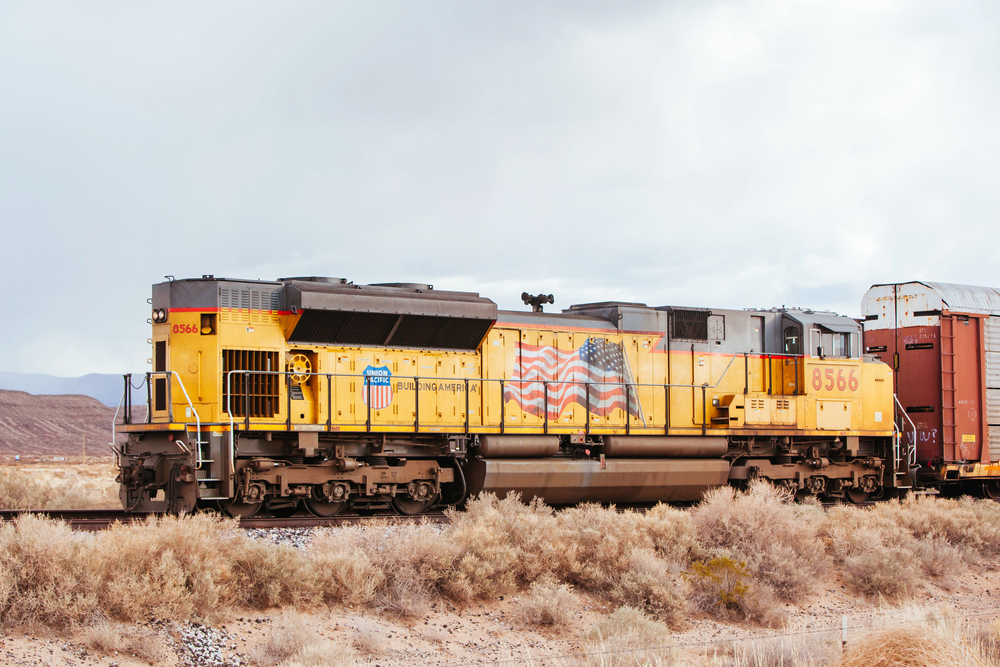
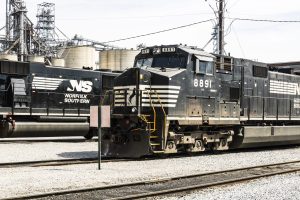
The proposed $85 billion merger of Union Pacific and Norfolk Southern—the first of two impending transcontinental consolidations—threatens to upend the way grain, fertilizer, and feed move across the United States.
If approved, the deal would create the first coast-to-coast freight railroad, eliminating handoffs between carriers and keeping trains in motion longer. For shippers, that could mean faster service and lower costs.
For the railroads, it’s the only way to pay for such a deal: squeeze more productivity out of every mile, not by charging more, but by cutting costs, streamlining operations, and shedding long-standing accessorial fees and switching charges.
But in rural America, efficiency has a different face. Country elevators that can’t load 100-car trains at speed—or that sit too far from a main line—won’t survive. Smaller origins and terminals, even in competitive markets like Kansas City, St. Louis, or Chicago, could be sidelined by bigger, faster rivals.
As costs widen between the efficient and the inefficient, more and more grain and fertilizer will move by truck to regional hubs. That shift will accelerate the consolidation of both elevators and farms.
 The railroad’s own car fleet will almost certainly shrink, pushing equipment costs onto shippers. And because the merged system would need fewer total cars to move the same volume, productivity—at least from Wall Street’s perspective—will rise.
The ripple effects will be unmistakable: more trucks on rural highways, longer hauls, larger on-farm storage, and a supply chain increasingly dominated by those with the capital to scale.
To proponents, it’s a leaner, faster, more productive system. To critics, it’s one more step toward fewer, bigger players shaping the future of American agriculture.
Either way, the merger marks what could be the most dramatic shift in the farm supply chain in nearly half a century.